Expert Tire Services: Return to Driving Securely and Rapidly
Skilled tire repairs serve an essential function in protecting vehicle security and performance. Experienced technicians undertake complete inspections to discover assorted tire concerns. From punctures to alignment complications, each issue warrants diligent focus. Knowing when to turn to professional guidance can forestall ensuing troubles. As drivers encounter these obstacles, they may contemplate the most suitable repair options and maintenance standards. Investigating these areas can facilitate informed decisions and more secure experiences down the road.
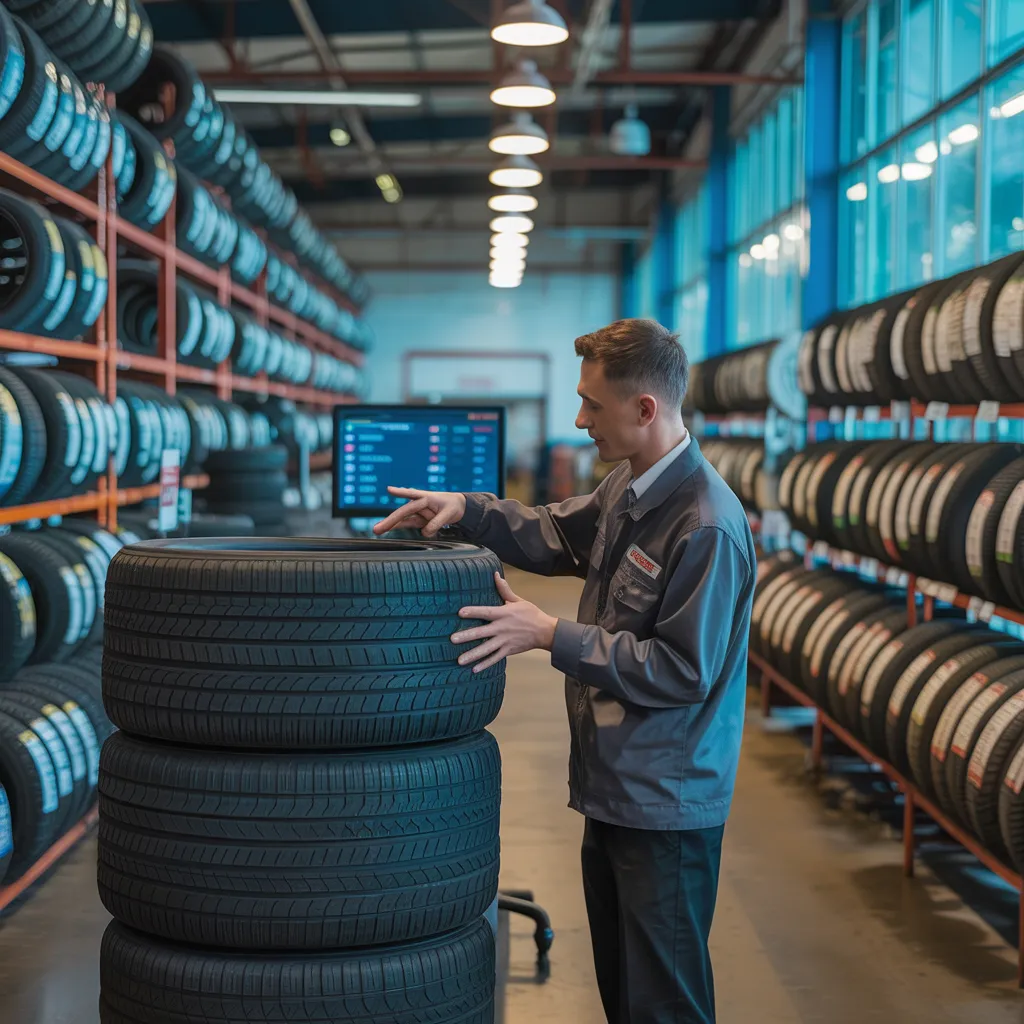
Typical Tire Troubles to Familiarize Yourself With
When drivers fail to check their tires, they may encounter several frequent concerns that can compromise safety and performance. One prevalent issue is underinflation, which can cause increased tire wear and lower fuel efficiency. Over time, this can lead to the tires to overheat, boosting the risk of a blowout. Another common problem is tread wear, which affects traction and handling, particularly in wet conditions. Uneven wear may indicate alignment or suspension issues, necessitating further inspection. Additionally, drivers may face punctures or sidewall damage from road hazards, resulting in slow leaks or complete tire failure. Routine tire maintenance including rotations and inspections with correct inflation are vital for preventing these issues. Finally, climate effects can also add to tire degradation, making it important for drivers to stay vigilant about their tire health. By identifying these common problems, drivers can boost their safety on the road.
How to Understand When to Obtain Tire Work?
Understanding the warning signs that tire servicing are critical is important for maintaining vehicle protection and operation. Drivers must remain watchful to specific signals that point to tire problems. Irregular usage formations on the tread, as an example, may indicate alignment issues or inadequate inflation. Furthermore, noticeable damage, including cuts, bulges, or punctures, frequently demands urgent attention. An unexpected drop in air pressure or frequent demand for pressurization also suggests that repairs may be called for.
Drivers should be vigilant about handling and performance changes, such as vibrations or pulling to one side, which could point to tire imbalances or internal damage. Finally, regularly checking the depth of the tire tread is essential; tires with bald or worn areas weaken traction. By monitoring these signs, drivers can confirm timely repairs, increasing both safety and vehicle longevity. Addressing these issues promptly not only stops potential accidents but also saves on more extensive repair costs down the line.
A Overview to Understanding the Tire Repair Process
The tire maintenance process generally entails several important steps to guarantee safety and performance. At first, a technician checks the tire for visible damage and assesses its entire condition. This check helps determine whether the tire can be fixed or needs replacement. After the inspection, the technician might detach the tire from the wheel to detect punctures or internal damage.
Once any issues are located, the technician cleans the damaged area and readies it for repair. This may include installing a seal or insert, depending on the type and location of the harm. After the repair is completed, the tire is remounted and properly filled to the manufacturer's specifications.
Finally, a quality check confirms that the repair adheres to safety standards. Throughout the workflow, technicians prioritize dialogue, informing the customer of observations and recommendations. This structured approach guarantees a reliable repair, permitting vehicle operators to return to the road with confidence.
Do-It-Yourself Tire Service versus Professional Support
After grasping the tire fixing process, many drivers may consider whether to handle repairs on their own or seek expert assistance. DIY tire fixes can be attractive, particularly for those with basic mechanical abilities and equipment. Simple punctures can often be fixed using repair kits obtainable at auto supply stores, saving both time and money. However, this approach involves risks if proper techniques are not used, potentially resulting in further harm or safety risks.
On the flip side, professional tire repair services supply knowledge and cutting-edge equipment. Trained professionals view now can properly evaluate tire deterioration, making sure repairs remain both effective and secure. They can also uncover concealed issues that a do-it-yourself method might fail to notice. Ultimately, the decision regarding DIY repairs versus professional assistance is based on the driver's confidence, expertise, and the extent of the tire damage. Formulating a knowledgeable decision is critical for keeping yourself safe on the road.
Steps for Choosing the Finest Tire Repair Service
What can motorists do to guarantee they decide on the superior tire service option? First, they should survey local options, highlighting customer opinions and marks. This information provides knowledge into the service quality and credibility of various shops. Next, checking for licenses and associations with recognized automotive organizations can indicate diligence and expertise.
Also, motorists should question the types of repairs offered, verifying the establishment can manage their particular tire concerns. Straightforward pricing is also paramount; reputable shops provide transparent quotations without concealed fees.
Additionally, reviewing the shop's warranty policies on repairs can provide assurance. Finally, convenience is important—proximity to your home or office, as well as operation times, can impact the decision. By examining these points, drivers can confidently choose a tire repair service that fulfills their expectations with success.
Benefits of Regular Tire Care
Regular tire upkeep offers many benefits that prolong the lifespan and functionality of tires. By routinely checking tire air pressure, tread wear, and general state, vehicle owners can ensure optimal grip and handling. Correct air pressure reduces wear, improving fuel efficiency and saving money at the pump. In addition, routine checks can help detect problems such as irregular deterioration or harm, allowing for prompt fixes that avoid greater issues down the road.
Taking care of tires additionally strengthens safety by lowering the likelihood of tire blowouts or accidents caused by depleted tread. Moreover, a well-maintained set of tires helps provide a smoother ride, enhancing comfort for both the driver and passengers. By investing time in regular tire care, individuals can maximize the value of their investment, securing reliable performance and peace of mind while driving. In conclusion, regular tire maintenance is a vital part of responsible vehicle ownership.
Guidance on Eliminating Future Tire Problems
Proactively maintaining tires can considerably cut down the possibility of future setbacks. Periodically testing tire pressure is critical; underinflation can lead to premature wear and diminished fuel efficiency. It is wise to review tires for distinct damage, such as cuts or bulges, which may indicate structural complications. Cycling tires every 5,000 to 8,000 miles helps guarantee level wear, extending their lifespan.
Additionally, maintaining proper alignment and balancing is important to prevent uneven tread wear. Drivers should also check tread depth, employing the penny test as a simple method; if Lincoln's head is visible, it's time for a replacement. Finally, avoiding overloading the vehicle can reduce excessive strain on tires. By implementing these strategies, vehicle owners can improve tire lifespan and support a safer driving experience.

Frequently Inquired Questions
What amount of time is required for a common tire repair?
A standard tire fix usually takes 30 minutes to an hour depending on the severity of damage and the particular repair needed. Factors like technician availability and workshop volume can also influence the time frame.
Are All Wheel Varieties Fixable?
Not all tire types can be repaired. Generally, tread area punctures of passenger tires may be repairable, while damage to the sidewall, excessive deterioration, or tires with several prior fixes often necessitate replacement to guarantee safety.
How Much Does Tire Service Expense?
The charge for tire restoration commonly ranges from $10 to $30, influenced by the level of damage and geographic location. Key variables like tire category and your service center can influence the ultimate bill, creating fluctuation.
Does Your Insurance Include Tire Fixes?
Tire damage coverage varies depending on which insurance policy you have. Certain plans feature roadside assistance or repair costs, while others do not cover these benefits. It's essential for people to look over their specific coverage terms to understand their coverage regarding tire fixes.
How Might I Increase the Lifespan of My Tire?
To extend a tire's durability, regular maintenance is important. This entails sustaining correct tire pressure, rotating tires frequently, ensuring proper alignment, steering clear of excessive weight, and observing tread depth for marks of deterioration or injury.